Behind the scenes: The brutal civil engineering required to build a permanent, luxury lawn in the UAE desert.
Published: April 2026 · Estimated read time: 6 min
If you have ever visited a luxury villa in Emirates Hills or Jumeirah and marveled at their perfectly flat, pristine green lawn, you are actually looking at a masterclass in civil engineering. The green plastic on top is merely the final 10% of a massive synthetic grass installation process.
In the extreme conditions of the UAE, you cannot simply roll out artificial grass on top of loose desert sand. Here is the definitive, technical guide to exactly how the professional installation teams at EagleTurf build lawns guaranteed to last 15 years.
The first step is entirely destructive. The existing garden is mapped out, and the team digs down. We must remove between 7cm to 10cm of the existing topsoil or sand. Why? Because we need to create a physical "void" in the ground so that when we build the new base and lay the grass, the final grass pile is perfectly flush with your existing patios, swimming pool coping stones, and villa pathways.
This process usually generates several tons of heavy dirt that must be manually wheeled out of your property and loaded into massive municipal skips for legal disposal.
Once the 10cm void is established, we roll out a heavy-duty, double-woven commercial geotextile weed barrier. This incredibly tough fabric spans the entire excavated area. It serves two vital functions:
This is the secret to a permanent synthetic grass installation. If you skip this, the lawn fails.
We import several tons of "Type 1" crushed aggregate—a specific mix of small stones and fine rock dust. This aggregate is spread evenly across the weed membrane to a depth of roughly 6cm to 8cm. The team then uses a massive vibrating mechanical plate compactor. This machine brutalizes the aggregate, forcing the rock dust to lock the stones together perfectly.
Using laser transits, the team meticulously carves a 1% to 2% drainage gradient into this hard stone base, ensuring that when it rains, water flows away from your villa walls. Once compacted, this base is as hard and flat as a concrete driveway.
The premium rolls of European grass are heavy (often weighing 200kg to 300kg each). They are hauled into the garden, unrolled over the compacted stone base, and left alone for two hours in the Dubai sun. This allows the heavy polyurethane (PU) backing to heat up, expand naturally, and drop any tightly-wound storage wrinkles.
Once settled, our master fitters begin "cutting in." Using specialized hooked carpet knives, they razor-cut the edges of the heavy grass to perfectly contour around the geometric edges of your swimming pool, curved flower beds, and boundary walls. The cut must leave exactly a 2mm gap against the wall to account for long-term thermal expansion.
Because grass rolls are only 4 meters wide, most villa gardens require two or more rolls stitched together.
To create an invisible join, the edges of both rolls are carefully trimmed back 3 stitch lines to remove the frayed manufacturing edge. The grass is pulled back, and a wide strip of specialized fiberglass tape is laid directly on the aggregate base between the two rolls. We then aggressively trowel marine-grade, weather-proof PU adhesive over the tape. The two pieces of heavy grass are carefully zipped together over the wet glue like a jigsaw puzzle, ensuring no grass blades are trapped. The seam is weighted down to cure into an indestructible bond.
With the grass perfectly flat and seamed, the perimeter is heavily nailed into the stone base using long, galvanized steel U-pins spaced every 30 centimeters to prevent wind uplift.
Finally, the most crucial finishing step: Kiln-dried, washed silica sand is heavily broadcast over the entire lawn using a commercial drop-spreader. A massive rotary power-brush machine is then driven over the turf. The spinning bristles violently push the silica sand deep into the base of the grass pile. The sand weighs the entire carpet down perfectly and acts as a mechanical buttress, forcing the grass yarns to stand rigidly upright, completing the transformation.
No. We only glue the seams together. Gluing the entire carpet to the stone would completely block the polyurethane drainage holes, causing your garden to flood instantly during winter rain.
2. What is a shock-pad underlay?If you are installing grass for a children's play area, we add an extra step between Step 3 and Step 4: we lay a 25mm thick closed-cell foam shock-pad over the stone base before laying the grass. This provides critical fall-height safety that absorbs massive impacts.
3. Why does the sand infill not make the grass feel like a beach?Because the silica sand is extremely fine and heavy, the power brush forces it to sit below the thatch layer of the grass, resting directly on the black PU backing. You never feel the sand on your bare feet; you only feel the soft top 25mm of the grass blades.
Do not trust your garden foundation to amateurs. To book a professional synthetic grass installation, reach out via our contact page today.
Related: DIY vs Pro · Mistakes to Avoid
Book a FREE site survey and see our premium turf samples in person.
Luxury synthetic turf solutions for villas, schools, commercial projects, and landscapes.

We don't just install artificial grass — we deliver perfection. Here's what sets us apart from every competitor.
Deep understanding of Dubai's climate, soil conditions, and premium aesthetic standards.
Expert installation crews trained specifically for artificial turf, not general contractors.
Only the finest European and American synthetic grass, engineered for extreme durability.
UV-stabilized fibers that stay cool and maintain color even in 50°C Dubai summers.
Non-toxic, lead-free materials with antimicrobial protection for family safety.
Professional base compaction and drainage systems for decades of performance.
Comprehensive warranty on turf and installation — your investment is protected.
15+ year lifespan with minimal maintenance. Looks stunning year after year.
From unfinished spaces to premium green landscapes. Our work speaks for itself.
 View 1
 View 2
Complete transformation of a sandy backyard into a premium green family lawn.
 Before
 After
After
Turning an unused concrete roof into a stunning entertainment area.
From luxury villas to commercial complexes, we transform every space with premium synthetic turf.


We offer a range of synthetic grass products tailored to different applications and environments.

Perfect for villa gardens and home landscapes. Soft, natural-looking, and incredibly durable.
Antimicrobial, durable, and easy to clean. Designed for homes with dogs and cats.
FIFA-quality synthetic grass for professional and recreational sports facilities.

Ultra-realistic appearance for feature walls, exhibitions, and premium decor elements.
Built to withstand maximum foot traffic in malls, offices, and public spaces.
Soft, cushioned turf with shock absorption for children's play areas.
From survey to completion, we follow a meticulous 7-step process for perfect results every time.
Our experts visit your location to assess the area, understand your requirements, and provide accurate measurements and recommendations.
We remove existing vegetation, debris, and prepare the ground surface for optimal drainage and turf adhesion.
Professional-grade crushed aggregate base is installed and compacted to create a stable, level foundation.
Premium turf is precisely cut and laid according to your space's exact dimensions and contours.
Seams are professionally joined using specialized adhesive tape for invisible, secure connections.
Infill material is applied and the turf is power-brushed to achieve natural-looking, upright blades.
Final walkthrough with the client to ensure complete satisfaction before project sign-off.
We're proud to work with the most prestigious developers, hospitality brands, and institutions in the UAE.
See the stunning transformations we've achieved across Dubai and the UAE.

Discover the incredible advantages of switching to synthetic turf.
Save thousands on water bills every year.
No mowing, fertilizing, or pesticides needed.
Pays for itself in just a few years.
Reduce water usage and carbon footprint.
Non-toxic, soft, and perfect for play.
Durable and easy to clean for pet owners.
Lush appearance 365 days a year.
Withstands extreme heat, rain, and UV.
Don't just take our word for it — hear from homeowners and businesses across the UAE.
Transforming your garden in the UAE shouldn't mean a relentless battle against the scorching sun, exorbitant DEWA water bills, and endless gardener fees. EagleTurf is Dubai’s premier artificial grass installation company, delivering European-engineered, luxury synthetic turf that stays evergreen 365 days a year. Whether you are upgrading a luxury villa in Palm Jumeirah or creating a pet-friendly haven in Arabian Ranches, our premium fake grass solutions provide immediate ROI, zero maintenance, and unparalleled aesthetics.
Maintaining a pristine natural lawn in Dubai is almost an impossible feat. The extreme summer temperatures, which regularly exceed 50°C, combined with high humidity and water scarcity, turn maintaining real grass into a costly and frustrating ordeal. Homeowners in the UAE are intimately familiar with the struggles of dying yellow patches, persistent weed infestations, and soil that degrades under the relentless sun.
By switching to premium synthetic turf in the UAE, you instantly eliminate these pain points. There are no more extortionate water bills to keep a struggling lawn alive. There is no need for chemical fertilizers, pesticides, or weekend mowing. Our high-density artificial lawns are UV-stabilized to withstand direct Middle Eastern sunlight without fading, offering a lush, soft-touch landscape that looks and feels like spring all year round.
When researching artificial grass costs in Dubai, prices generally range from AED 45 to AED 120+ per square meter fully installed. This variance is strictly tied to quality. Cheaper, Asian-manufactured turf often lacks adequate UV protection, leading to severe discoloration (turning blue or grey) and melting within two years.
EagleTurf exclusively utilizes premium European-manufactured yarn. Our pricing reflects superior dtex (yarn density), advanced C-shape cooling technology, and specialized polyurethane backing. While the initial investment might be slightly higher than budget options, our 15-year warranty ensures you never have to replace a melted or faded lawn.
The longevity of an artificial lawn is 90% dependent on the sub-base preparation. You can purchase the most expensive turf in the world, but if installed on a poorly compacted base, it will sink, puddle, and wrinkle. Our professional installation process is engineered for perfection:
We excavate the top layer of existing sand or dead grass, laying down a highly graded aggregate sub-base. Using heavy vibrating plate compactors, we create a rock-solid, leveled foundation that prevents sinking and future undulations.
Dubai experiences rare but intense rainstorms. Our sub-base preparation combined with our perforated turf backing allows water to drain at an astonishing rate of over 30 liters per minute per square meter, preventing flooding and muddy puddles.
Our installation teams are artisans. Using specialized double-sided joining tape and premium polyurethane adhesives, we meticulously align the turf fibers to create flawless, invisible seams. The result is a continuous, natural-looking expanse of green.
To conclude the installation, we mechanically brush specialized, kiln-dried silica sand into the turf. This non-toxic ballast keeps the yarn blades standing upright under heavy foot traffic and acts as a cooling agent against the Dubai sun.
Designed for ultra-premium aesthetics, our 40-50mm pile height landscape turf perfectly mimics the look and feel of a freshly manicured spring lawn. It's the ultimate upgrade for prestigious villa gardens, courtyards, and front yards.
Say goodbye to muddy paws and yellow urine stains. Our pet friendly artificial grass features an antimicrobial backing and maximum permeability, ensuring rapid drainage to completely eliminate odors. It is 100% safe, non-toxic, and incredibly durable against digging.
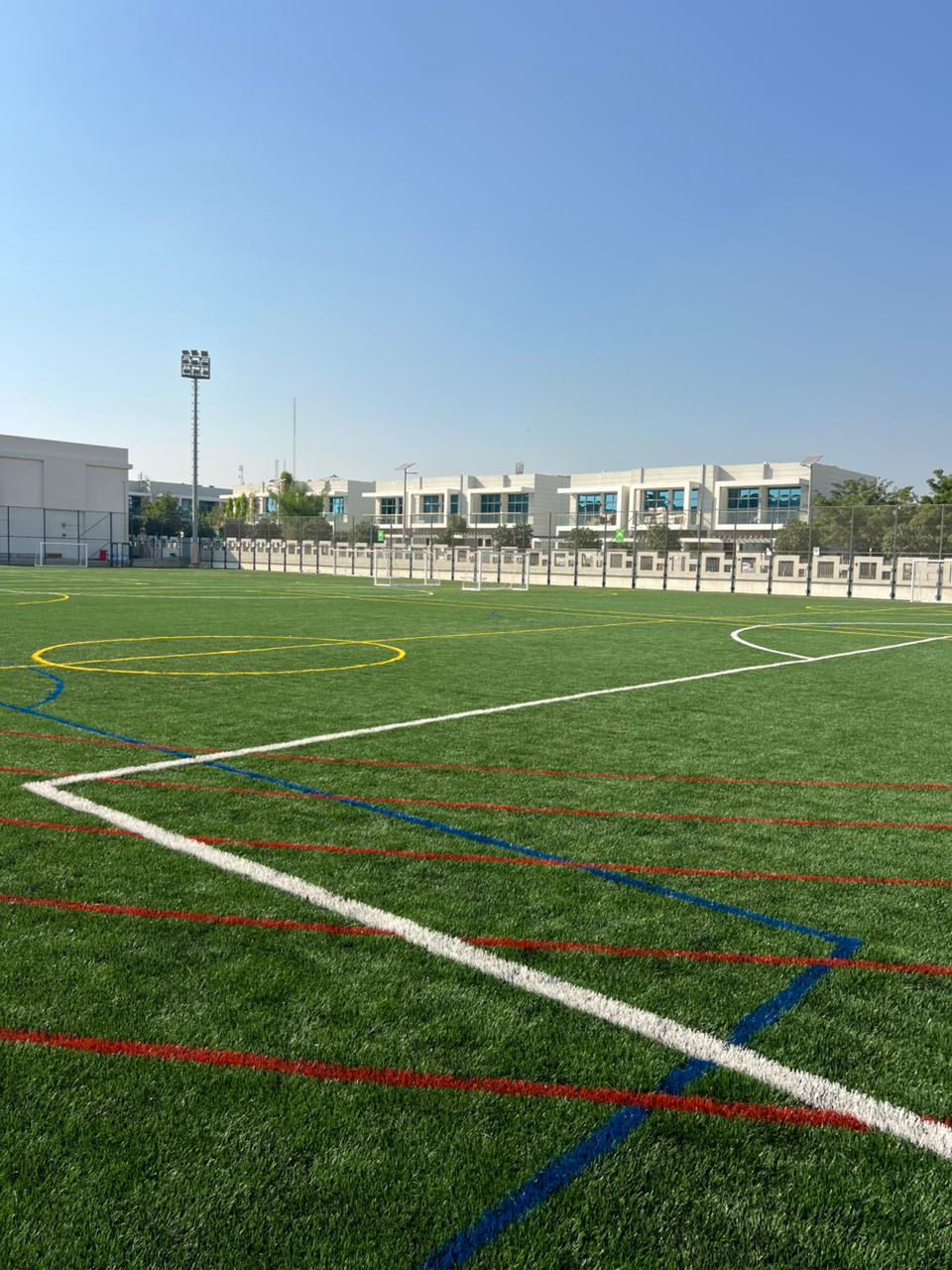
From residential backyard football pitches to commercial tennis and padel courts, our FIFA-approved sports turf is engineered for extreme athleticism. Featuring specialized shock-pad underlays to protect joints and ensure consistent ball bounce.
Elevate your high-rise living experience. We provide precision-cut, soft-touch rooftop turf installation for balconies and terraces across Dubai Marina and JBR, turning concrete slabs into lush sky-gardens.
We offer absolute risk reversal. Cheap fake grass will turn blue, grey, or completely flatten within two years of exposure to the UAE summer. EagleTurf utilizes advanced UV stabilizers physically baked into the synthetic resin during manufacturing.
We guarantee our grass will not fade, melt, or disintegrate for 15 years. Coupled with a 5-year comprehensive workmanship warranty on seams and drainage, your investment is completely protected.
Collaborating with property owners across Emaar, Nakheel, Dubai Properties, and Damac communities to elevate outdoor living spaces with European-certified, lead-free landscaping.
Match the prestige of your address with European-engineered, lush 50mm pile turf. Built to withstand direct sun and salty sea breezes without fading, perfect for waterfront fronds.
Elevate your high-rise living. We specialize in precision-cut, soft-touch artificial grass for Marina balconies and JBR terraces, installing directly over tiles with advanced drainage pads.
Durable, high-density synthetic turf designed for the heavy foot traffic of Downtown cafes, penthouse rooftops, and corporate event spaces in the heart of Business Bay.
Create the ultimate safe haven for your family. Our non-toxic, antimicrobial turf is perfect for family estates—built for kids, dogs, and weekend BBQs with zero mud or mess.
Read our comprehensive artificial vs natural grass comparison, or see how we stack up against budget installers:
Next-Day Installation Slots Fill Fast — Secure Your Spot.
Book Your Free Site Survey TodayEverything you need to know about artificial grass in the UAE.
Premium artificial grass installation in Dubai costs between AED 45 to AED 120 per square meter. Pricing depends on the yarn density, pile height (e.g., 30mm vs. 50mm), origin of manufacturing (European vs. Asian), and the complexity of the sub-base preparation required for your garden.
While synthetic turf gets warmer than natural grass, EagleTurf utilizes advanced cooling technology with C-shaped and W-shaped yarns that dissipate heat faster. We also use specialized cooling silica infill, ensuring the grass remains comfortable for evening use even during peak UAE summers.
High-quality, UV-stabilized artificial grass is engineered to last 15 to 20 years in the UAE climate. EagleTurf provides a comprehensive 15-year warranty against fading, melting, and backing degradation, ensuring a long-term return on your investment.
Absolutely. Our pet-friendly artificial grass is 100% non-toxic, lead-free, and features an antimicrobial backing. It includes specialized drainage holes capable of draining 30 liters per minute, preventing urine pooling and eliminating foul odors instantly.
For internal villa backyards, NOCs (No Objection Certificates) are generally not required. However, for front yards, modifications to community-facing landscaping, or balcony alterations in developer-managed communities (like Nakheel or Emaar), a quick NOC may be required. We assist with all community permits.
Cleaning is effortless. Simply hose down the area with water. For persistent odors, a mixture of mild eco-friendly soap and water, or a specialized enzyme cleaner, works perfectly. The advanced drainage backing ensures liquids wash away instantly into the sub-base.
No. We construct a heavily compacted aggregate sub-base beneath the grass, and the turf itself features high-permeability drainage holes. This sophisticated system allows heavy rainwater or washing water to drain significantly faster than natural soil, preventing puddles.
For luxury villa gardens, a pile height between 35mm and 45mm is ideal. It provides a lush, natural "freshly mowed" aesthetic while maintaining resilience against flattening from heavy foot traffic or garden furniture.
Cheap alternatives will turn blue or grey within two years. However, EagleTurf uses premium European turf with UV-inhibitors extruded directly into the yarn during manufacturing. We guarantee our grass will maintain its vibrant green color against the harsh Dubai sun for 15 years.
A standard Dubai villa garden (between 50 to 100 square meters) typically takes 1 to 2 days to fully install. This includes removing old grass, laying the aggregate sub-base, compacting, fitting the turf, and applying the infill.
Yes. Artificial grass can be installed directly over tiles, concrete patios, or balconies. We install a specialized shock-pad underlay beneath the turf to provide cushioning, ensure proper water drainage, and hide the grout lines of the underlying tiles.
No. We do not use toxic crumb rubber infill. EagleTurf exclusively uses natural, washed, and kiln-dried silica sand infill. It is 100% safe, hypoallergenic, and provides excellent ballast to keep the grass blades standing upright.
By switching to artificial grass in Dubai, an average villa can save thousands of gallons of water annually, reducing DEWA water bills by up to 70% during the summer months. It is a highly sustainable, eco-friendly landscaping choice.
No. Synthetic turf eliminates the soil and organic matter that bugs, ants, and pests need to survive and breed. Installing artificial grass significantly drastically reduces insect populations in your garden, creating a cleaner outdoor environment.
EagleTurf provides a 15-year manufacturer's warranty on the turf against UV fading and degradation, plus a 5-year comprehensive workmanship warranty on the installation itself, covering seams, sinking, and drainage issues.
Still have questions? Chat with our experts instantly.
Chat on WhatsAppReady to upgrade to premium artificial grass? Get in touch for a FREE site survey. Our experts will assess your space and provide a detailed quote with no obligation.
Fill out the form and we'll contact you within 24 hours.